
Skip to content

A story for the end of the day

Personalized bedtime stories to read together.

Give a familiar hero a new little adventure. Dreamweavel creates digital stories with custom characters, illustrations and narration, using your choices of theme, art style and language.

Choose a gentle idea and review the result before reading it with a child. The story is one part of your time together; its pace and ending are yours to choose.

Start with one small adventure

A quiet story does not need a big rescue. Try a character helping a friend find a missing mitten, preparing a picnic for the moon, or carrying a lantern along a woodland path.

Give the story a clear destination: the friends find the mitten, the moon enjoys the picnic, or everyone returns home. When you describe the idea, ask for a gentle ending and details your child enjoys.

Build a bedtime story prompt in five parts

A useful brief gives the story a small job. Name one hero, choose a familiar place, give them one manageable problem, describe how they solve it, and say where the story should finish. You can write this in ordinary sentences; special prompt syntax is not needed.

  1. Hero: a nickname, fictional child or animal, with one recognizable detail.
  2. Place: a garden, bedroom, pond or another setting you want to explore.
  3. Small problem: a missing object, a plan to make or a friend to help.
  4. Action: one or two things the hero can actually do to resolve it.
  5. Ending and tone: a clear return home, a thank-you or another settled ending, with any boundaries you want.

Compare “a magical bedtime adventure” with “a small rabbit finds a blue blanket with a duck friend, then goes home to bed.” The second idea gives the story a visible goal and a place to stop. It still leaves room for an unexpected line or picture.

Three worked prompts for ages 3–8

These are suggested starting briefs written for this guide. They are not the original prompts behind a published example, and we have not presented generated results for them. The age bands help organize the ideas; choose the complexity that fits your child and review what the AI produces.

Ages 3–4: find one familiar thing

Keep the cast small and the task easy to follow when you read aloud.

A little rabbit named Roo cannot find a favorite blue blanket. Roo looks beside a chair and under a cushion with one friendly duck. They find the blanket in a basket, say goodnight to the room, and curl up at home. Use short sentences, repeat ‘Where is the blue blanket?’ during the search, and keep every place familiar and friendly. No danger or scary surprises.

Before reading: Check that the repeated question stays the same and that the ending actually resolves the search.

Ages 5–6: solve a small problem together

Give the hero a choice and a friend a useful part in the solution.

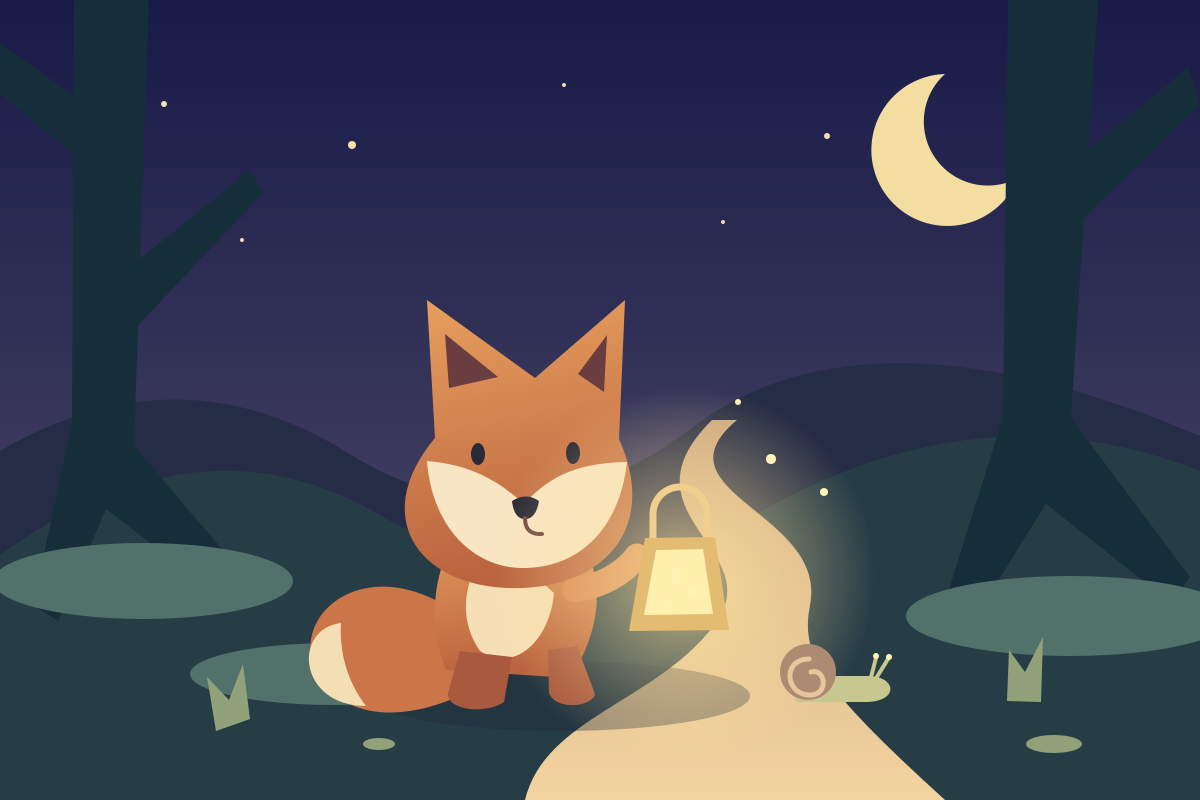
Milo the little fox is setting a picnic for the moon, but a breeze keeps folding the paper placemats. A hedgehog friend helps Milo use smooth stones to hold them down. Let Milo try one simple idea first, then ask the friend for help. Finish with the friends enjoying their quiet picnic and walking home beneath the stars. Keep the problem small, the dialogue friendly, and the ending settled.

Before reading: Check that the fox and hedgehog keep their roles and that the solution makes sense in both text and pictures.

Ages 7–8: follow a clue without a frightening chase

Add a little inference while leaving room to pause and talk about a picture.

A curious child and a tiny robot find three silver paper stars along a garden path. Each star has a drawing that points to the next familiar place: a watering can, a bench, and a little greenhouse. They discover that a neighbor left the trail to invite them to look at a night-blooming flower. Let the child notice one clue before the robot does. No villains, danger, or cliffhanger. End with a thank-you and a calm walk home.

Before reading: Check that all three clues appear in order, the invitation is explained, and there is no unfinished mystery.

Put the brief into the creation form

Choose the character name and age in the form, then use the story idea field for the adventure. Select the book language separately. Pick an art style for the pictures and check the chosen page count and available balance before creating. Our illustration style guide explains the different looks.

A character’s age, the book length and the reading mode serve different purposes. A longer book is not automatically a better fit. For children ages 6 and up, the form also offers a reading mode choice; decide whether you plan to read aloud together or have the child read independently. The settings guide generation, but do not measure or certify reading ability.

For a personal touch, add an interest such as trains or gardening. You do not need a full name, school, address or photograph to make the hero feel familiar. Describe the story you want rather than adding personal facts that the plot does not need.

If the first story misses the mark

  • Too much happens: reduce the cast and keep one problem. Replace “many adventures” with two specific actions.
  • The ending is abrupt: describe the final scene explicitly, such as returning the blanket and settling at home.
  • The mood feels too intense: name the boundaries in the brief and choose another result if the generated book still crosses them.
  • The hero changes appearance: keep a few visual details consistent in your brief and check every illustration.
  • The narration sounds wrong: listen before sharing, particularly for names, and read aloud yourself when that works better.

Changing the brief is a starting point for another generation, not a guarantee that the same book will be repaired. Check the current page packs and plans before starting another book. No particular prompt or illustration style guarantees sleep, a reading milestone or a change in behavior.

Read a complete bedtime book

In Hayden’s Dinosaur Sleepover, a dinosaur has trouble settling at a sleepover, and Hayden helps with a gentle humming song. Read all ten pages, see the saved story idea and listen to the book’s existing narration.

Notice how the story stays with one problem and ends with the friends resting. Use it as a concrete example when planning your own brief, then review the new result on its own merits.

Make the reading your own

  • Read the whole book first, including its illustrations and any narration.
  • Choose a story length that fits the time you have together.
  • Read aloud yourself or use the generated narration after checking it.
  • Pause at a picture, ask a small question, or stop and continue another day.
  • Save a story you enjoy so it is easy to return to in your library.

Generated stories and voices can vary. For details about AI output and sharing, read our parent guidance.

Read two gentle fictional samples.

AI-assisted illustrative sample created for this website. The text and original SVG artwork were not generated by the Dreamweavel app. All characters are fictional.

From a sample to your next book

These short website stories are starting points for ideas, not app-generated results. To create a different adventure, follow our step-by-step guide and check the current page packs and plans.